
The Nature of Luck in Gambling
Luck is an intrinsic part of the gambling experience, influencing virtually every aspect of casino games. Unlike skill-based activities where players can leverage their knowledge and experience, many casino games are predominantly driven by chance. This randomness is precisely what entices many players; the thrill of uncertainty regarding whether one will win or lose adds an electrifying element to the experience. Players looking for fun often explore options like fast withdrawal online casino canada to find their favorite games, whether it’s rolling the dice in craps or spinning the reels of a slot machine, the unpredictable nature of luck creates excitement and anticipation that few other activities can match.
The role of luck in games like roulette exemplifies this phenomenon. Each spin of the wheel is independent, meaning that previous results have no bearing on future outcomes. This randomness can lead to streaks of wins or losses, providing players with a rollercoaster of emotions throughout their gaming sessions. Additionally, players often develop superstitions or rituals, believing that certain actions may influence their luck, despite the fact that outcomes remain entirely random. For instance, one might touch a lucky charm or perform a specific gesture before placing a bet, hoping to coax fortune in their favor.
Understanding the nature of luck is essential for anyone looking to navigate the world of casinos. While players may attempt to apply strategies, the reality is that luck remains a dominant force. Grasping this concept not only enhances enjoyment of casino games but also helps maintain a realistic perspective about winning and losing. Accepting that luck is a significant factor can lead to more responsible gambling habits and a greater appreciation for the inherent entertainment value of these experiences.
Luck Versus Skill: A Delicate Balance
The ongoing debate between luck and skill in casino games is one that captivates players and scholars alike. Certain games, such as blackjack and poker, incorporate elements of strategy and decision-making, allowing players to influence outcomes to a certain degree. In these games, knowledge of probabilities, betting strategies, and psychological tactics can yield a significant advantage. However, even the most skilled player cannot escape the influence of luck; a single card drawn or dice roll can drastically shift the course of the game.
Conversely, games like slots and roulette emphasize luck over skill. In these scenarios, players place bets without any ability to influence the outcome. For example, while a player may choose how much to wager, the ultimate result is determined by random number generators or the physical mechanics of the game, which lie beyond any player’s control. This stark contrast between luck and skill highlights the complex relationship between these two elements, underlining that even skill-based games are ultimately subject to chance.

This balance between luck and skill serves to create a rich and varied gambling landscape. Understanding this dynamic allows players to approach each game with a keen awareness of their own chances. It encourages a mindset that appreciates the entertainment value of the experience while recognizing that, at times, luck is the most crucial factor in determining success. This understanding can lead to a more enjoyable and fulfilling gambling experience, where players can celebrate wins and learn from losses without undue stress.
Psychological Effects of Luck on Players
The psychological effects of luck significantly shape players’ experiences in casinos. The phenomenon known as “gamblers’ fallacy” illustrates this; players may believe that past outcomes can influence future results, leading to irrational betting behaviors. For example, after a series of losses, a player might increase their bets, convinced that they are “due” for a win. This misplaced belief in luck often clouds judgment and can result in poor financial decisions, highlighting the importance of understanding the role luck plays in gambling.
Additionally, the emotional highs and lows tied to luck can create a psychological rollercoaster for players. Winning can lead to euphoric feelings, while losing can evoke frustration and despair. This emotional investment is what keeps players returning to casinos, as the allure of luck and the potential for sudden wins often outweigh the fear of losses. The thrill of hitting a jackpot can have a profound psychological impact, far exceeding a mere financial gain, which explains why individuals often chase that exhilarating feeling.
Understanding these psychological effects can empower players to approach gambling more responsibly. By recognizing that luck is an unpredictable force, players can cultivate healthier betting behaviors, setting limits and approaching the game with a level head. Acknowledging the psychological traps that can arise from gambling can lead to a more enjoyable experience, allowing players to relish the thrill of the gamble without succumbing to its potential pitfalls.
The Role of Randomness in Game Design
Randomness is a fundamental element in the design of casino games, ensuring that every outcome is unpredictable. This randomness is achieved through various mechanisms, such as random number generators in electronic games or the shuffling of cards in traditional games. By incorporating chance, casino games can offer a fair experience where every player has an equal opportunity to win, regardless of their background or skill level. This level playing field is essential for maintaining player trust and engagement in the gaming process.
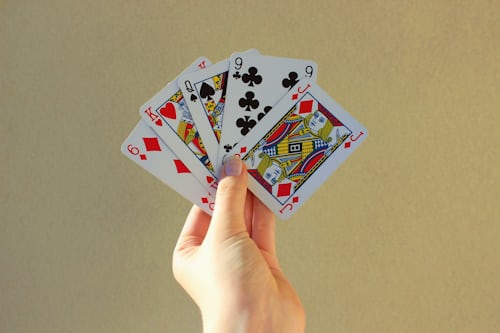
In game design, the allure of luck can be amplified through features like progressive jackpots in slot machines. These jackpots increase as more players contribute, creating a compelling reason to play. The possibility of winning a life-changing sum of money on a single spin appeals to players’ hopes and dreams, reinforcing the importance of luck in the overall experience. Game designers understand that these elements keep players engaged and encourage them to return, driven by the hope that luck will smile upon them during their next visit.
Moreover, the thrill of randomness extends beyond the games themselves; it permeates the entire atmosphere of the casino. The bright lights, the sounds of coins clinking, and the lively ambiance contribute to an environment where luck feels tangible and attainable. This engagement with the concept of luck can transform an ordinary day into an extraordinary experience, drawing players into a world of chance and fortune that they find difficult to resist.
Conclusion: Embracing Luck in Casino Gaming
In conclusion, luck plays an undeniable role in casino games, influencing not just the outcomes but also the player experience. While games of skill provide opportunities for strategic play, the element of chance is always present, creating a landscape where anything can happen. Understanding this dynamic can enhance players’ enjoyment, allowing them to appreciate the nuances of each game while acknowledging the unpredictable nature of luck. This balanced perspective encourages players to engage with the games more responsibly.
As players navigate the world of casinos, it is crucial to embrace the fact that luck is a significant factor in the gaming experience. By recognizing its impact, players can set limits, manage expectations, and ultimately enjoy the thrill of the games without falling prey to emotional highs and lows. The excitement of not knowing whether fortune will favor you is what makes the experience both thrilling and captivating, serving as a reminder that, in the world of gambling, anything can happen.
For more insights into the fascinating world of casino games and the role of luck, players can explore educational resources. Understanding how luck works in gambling can lead to a more enjoyable and responsible gaming experience, allowing individuals to embrace the thrill and excitement of chance while making informed choices that enhance their engagement with the games.